
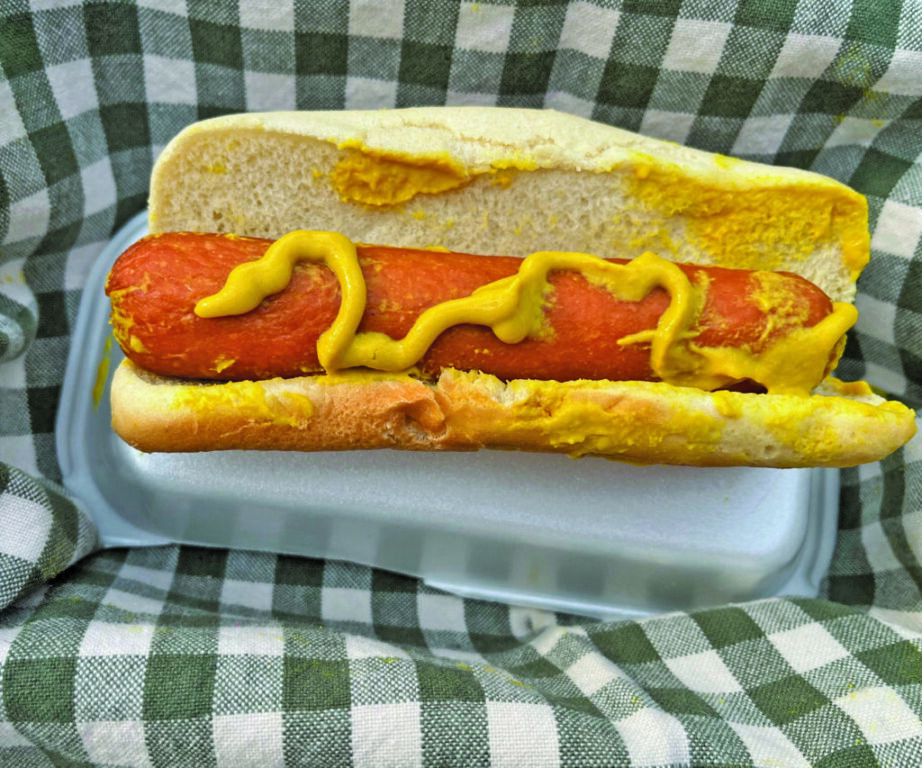
The many varieties of mustards found on grocery store shelves today have a rich history. They have been used as a condiment and as a medicine dating to ancient civilization. Evidence suggests that mustard seeds were used by humans as early as 3000 BCE. The plant, which is entirely edible, is mentioned in ancient Greek and Roman eras as well as in the Bible. The Hebrews used mustard for cooking; Abraham is said to have served cow tongue with mustard.
The Romans were likely the first to prepare it as a condiment, grinding mustard seeds and mixing them with grape juice. They are also credited with introducing mustard to Gaul (modern day France) in the 4th century.
French monasteries kept mustard-making alive through the Middle Ages. The Dijon region of France became a prominent producer of mustard with Dijon-style mustard emerging.
Mustards came to America in the 1700s. Immigrants brought their style with them. It was strong, spicy and brown. Gulden’s came on the market in 1862 in New York. Plochman’s followed in Chicago in 1885. The French Brothers created a different type of mustard—creamy yellow and much milder, introducing it in 1904 at the St. Louis World’s Fair. It arrived just in time to make the ballpark hot dog a match in Heaven.
By the 1920s, French’s outsold other mustards 5-1.
More than 700 million pounds of mustard are consumed annually worldwide. Mustard is the second most used spice in the U.S.A., following peppercorns. In one year at Yankee Stadium in New York, more than 1,600 gallons plus 2,000,000 individual packets of mustard are consumed. Americans are a mustard-hungry nation consuming more than any other country.
There are hundreds of different types of mustard, most just 5 or 10 calories per tablespoon. Prepared mustard is sold in glass jars, plastic bottles or metal squeeze tubes. Because of its antibacterial properties and acidity, mustard does not require refrigeration for safety. It will not grow mold, mildew or harmful bacteria; however, it is recommended that your mustard be refrigerated. It prevents drying out. Should mustard separate, try mixing it with a small amount of wine or vinegar. Mustard can last indefinitely without becoming harmful.
You can use mustard in many recipes, or, of course, just squeeze it on a freshly grilled hot dog.
NOTE: from dictionary.com, “What does ‘cut the mustard’ mean? To cut the mustard is “to reach or surpass the desired standard or performance” or more generally “to succeed, …”
References: “Mustard’s Impressive History,” “Mustard: An Ancient Condiment with Modern Appeal,” “The History of Mustard,” and “Mustard Today.”
GLAZED HAM
8 lb. precooked ham
Whole cloves
1½ c. packed brown sugar
½ c. maple syrup
2 Tbs. mustard
1 Tbs. cornstarch
1 20-oz. can unsweetened crushed pineapple
Cut the rind off the ham. Score the top surface of the ham and stud with cloves. Place the fat side up on a rack in a shallow baking pan. Cover with foil. Bake in a 350°F. preheated oven, for approximately 15 minutes per pound, or follow wrapper directions. In a bowl, combine sugar, syrup, and mustard. Set ¾ c. aside. In a saucepan, combine the remaining glaze and pineapple with juice. Simmer, stirring constantly, until the sauce thickens. With the reserved glaze, baste the ham every 10 minutes during the last 30-45 minutes of baking. Serve ham with pineapple sauce.
HONEY MUSTARD
BRUSSELS SPROUTS SALAD
1 lb. fresh Brussels sprouts, trimmed and shredded
2 medium tart apples, chopped
1 medium red onion, diced
1 small sweet orange pepper, diced
½ c. chopped walnuts
½ c. green grapes, sliced
½ c. shredded Cheddar cheese
3 bacon strips, cooked and crumbled
¼ c. olive oil
2 Tbs. red wine vinegar
2 Tbs. honey mustard
1 garlic clove, minced
¼ tsp. salt
¼ tsp. pepper
In a large bowl, combine the first 8 ingredients. In a small bowl, whisk remaining ingredients; pour over salad. Toss to coat.
RED POTATO AND EGG SALAD
5 lb. medium-sized red potatoes, halved
5 large hard-boiled eggs, chopped
1 celery rib, diced
½ medium onion, diced
1½ c. mayonnaise
¼ c. sweet pickle relish
3 Tbs. sugar
2 Tbs. fresh or dried parsley flakes
2 tsp. prepared yellow mustard
1 tsp. cider vinegar
Salt and pepper to taste
Place potatoes in a large saucepan; cover with water. Bring to a boil. Reduce heat; cover and cook until tender, about 20 minutes. Drain and cool. Cut potatoes into ¾-in. cubes. In a large bowl, combine potatoes, eggs, celery and onion. In a small bowl, combine mayonnaise, relish, sugar, parsley flakes, mustard, vinegar, salt and pepper. Pour over potato mixture and stir gently to coat. Cover and refrigerate for 6 hours or better if done overnight.
DIJON-CRUSTED FISH
3 Tbs. mayonnaise
1 Tbs. lemon juice
2 tsp. Dijon mustard
1 tsp. prepared horseradish
2 Tbs. grated Parmesan cheese, divided
4 firm fish fillets, 5-6 oz. each
¼ c. bread crumbs
2 tsp. butter, melted
Preheat oven to 425°F. Mix mayonnaise, lemon juice, mustard, horseradish and 1 Tbs. cheese. Place fish on a baking sheet coated with cooking spray. Spread fillets evenly with mayonnaise mixture.
Toss bread crumbs with melted butter and remaining cheese. Sprinkle over fillets. Bake until fish just begins to flake easily with a fork, 12-15 minutes depending on type of fish.
EASY HONEY MUSTARD SAUCE
¼ c. honey
¼ c. mayonnaise
¼ c. Dijon mustard
1 Tbs. white distilled vinegar
¼ tsp. cayenne pepper
Combine all ingredients. Whisk together until smooth. Makes ¾ c.
BROWN SUGAR AND MUSTARD GLAZE
1 c. brown sugar
2 Tbs. prepared mustard, or as needed
Mix brown sugar and mustard together in a bowl until smooth. If the mixture is too thick, stir in more mustard.

